A Major Saudi Pipeline Is Down. Why Is Oil Still Falling?
A drone strike shut one of the world's biggest crude arteries and Aramco is canceling European cargoes, yet Brent keeps sliding. The market is making a bet about how fast the barrels come back.
By Bellwize Staff · September 18, 2026, 11:25 AM ET
Bellwize Analysis weighs the public evidence around a market question. It is general information — not a forecast, and not investment advice.
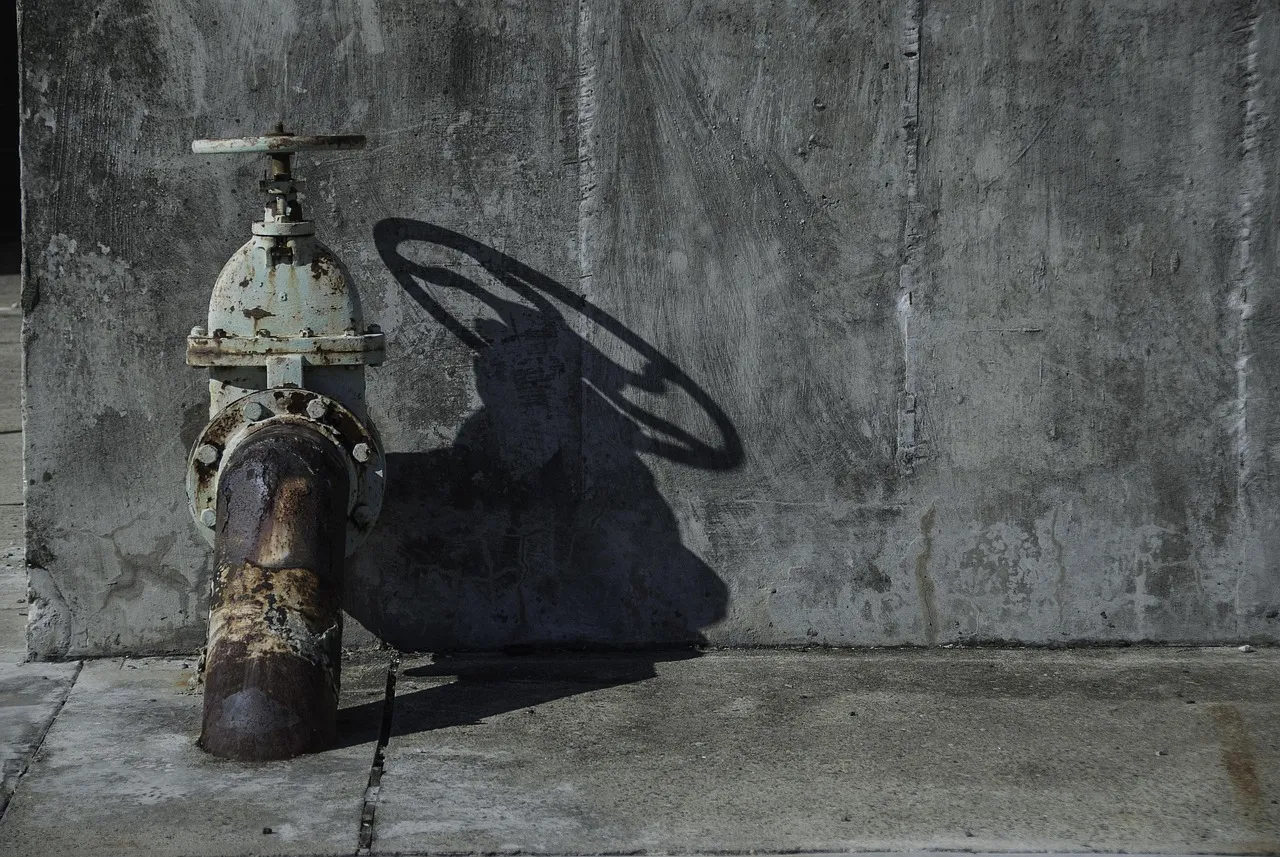
An attack took down one of the world’s biggest oil arteries last week, and Saudi Aramco has begun telling European refiners they will get no crude next month. Supply that large going missing is the classic setup for a price spike. Prices are doing the opposite.
Brent crude traded around $104 a barrel on Friday and West Texas Intermediate near $101, both easing after a third straight session of declines, according to price data compiled by Reuters and OilPrice.com. WTI slipped under $100 intraday. A drone strike on September 10 forced Saudi Arabia to shut its East-West pipeline, a line that had been moving 4 to 5 million barrels a day, and the kingdom has since canceled or delayed European cargoes. The market is treating a real disruption as a fading one. Whether that read holds is the question under the tape.
The barrels are already finding another route
Aramco’s own repair schedule is the strongest reason to fade the shock. The company is targeting restoration of about half the pipeline’s daily flow within days, with full capacity expected in five to six weeks, according to Bloomberg and Al Jazeera. Crews are patching around the damaged section to restore flows while the full rebuild continues.
Barrels are also still moving by sea. Aramco has begun shifting crude through ship-to-ship transfers off the coast of Oman, outside the Strait of Hormuz, according to OilPrice.com and CNBC, keeping exports flowing to Asian buyers while the pipeline is down. The physical market shows little sign of scarcity. US refined-product stocks grew by 3.7 million barrels last week, and Chinese exports of refined products rose 12.7% year over year in August, Reuters reported. Underneath all of it sits a cushion. The International Energy Agency has described global oil demand as soft this year, and OPEC’s large pool of spare production capacity has capped every rally since 2025. A market with that much slack does not panic over a pipeline it expects back within weeks.
Europe is told to expect nothing next month
The disruption is not hypothetical, and its size is the counterargument. The East-West line was carrying 4 to 5 million barrels a day, equal to 4 to 5% of world supply, with a maximum capacity near 7 million, according to Al Jazeera. Pulling that offline ranks among the larger single supply interruptions in years.
The strain is already landing in Europe. Aramco has told at least three European refiners that late-September cargoes are canceled or pushed as far out as November, and the no-crude notice for next month applies to European buyers broadly, Bloomberg reported. European leaders are scrambling to head off a diesel price surge, according to Euronews, a sign the shortfall is reaching the physical fuel market itself. The redundancy here is thinner than it looks. The pipeline had become Saudi Arabia’s main westbound export route after the Strait of Hormuz was disrupted earlier this year, which leaves fewer fallback options while it is down. If repairs slip past the six-week estimate, the missing barrels compound.
What the data shows
The tape is not pricing an emergency. Energy was a middling gainer at Thursday’s close, up 0.70%, well behind technology at 2.25% and consumer discretionary at 1.10%. That is not the leadership a real supply scare tends to produce. The S&P 500 sat at 7,625, down 0.16% on the day. It drifted. Crude’s own move tells the same story: prices fell into the disruption instead of away from it, and the intraday dip below $100 came while the pipeline was still shut. The market is watching the repair clock more closely than the barrels already gone.
What would settle it
The answer arrives on a schedule. Aramco has said half the pipeline’s flow should return within days and full capacity in five to six weeks, and each restoration update will confirm or break that timeline. The October loading program will show whether the canceled European cargoes are reinstated or the shortfall stretches into November. The US Energy Information Administration’s weekly inventory report tracks whether product stocks keep building or start to draw. And the monthly reports from the IEA and OPEC will mark any shift in the demand and spare-capacity backdrop that has kept prices contained.
Each of those is a fact with a date attached. A market betting the disruption fades and a continent bracing for a shortfall cannot both be right for long, and the repair schedule is what stands between them.
This is a general-market summary for information only — not investment advice, and not a recommendation regarding any security.
Filed under: analysis · oil · energy · macro · supply