Defense Stocks Entered a Bear Market During a Middle East War. Is the Selloff a Discount or a Downgrade?
A widely followed aerospace-and-defense fund has fallen more than a fifth from its August high even as governments keep raising military budgets, splitting investors over whether the big contractors are cheap or being left behind by a new kind of war.
By Bellwize Staff · October 1, 2026, 11:30 AM ET
Bellwize Analysis weighs the public evidence around a market question. It is general information — not a forecast, and not investment advice.
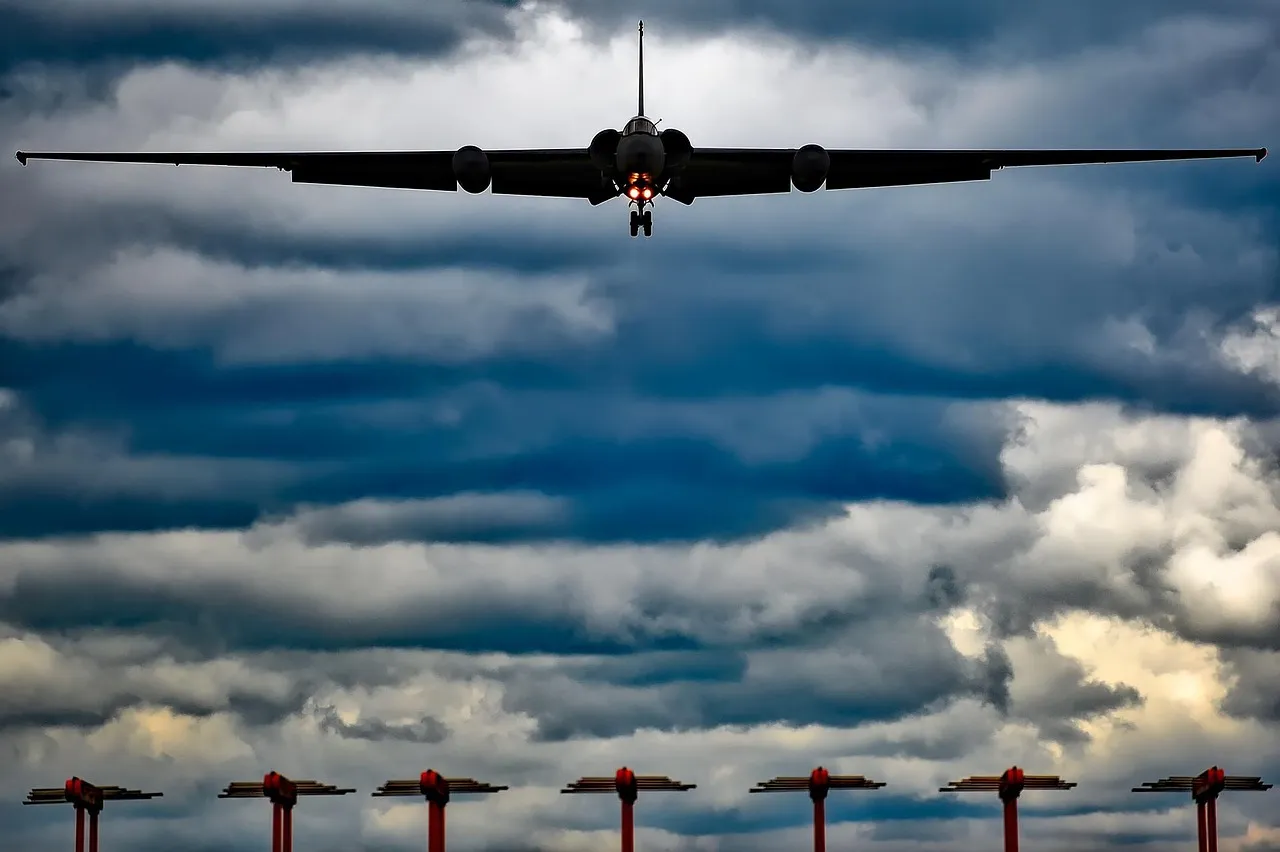
The loudest disconnect in the market right now sits in an unlikely corner: the companies that build fighter jets and missiles. A widely followed aerospace-and-defense exchange-traded fund peaked in mid-August and has since fallen more than 20%, its longest weekly losing streak since the fund launched in 2011, according to figures compiled by Benzinga. The slide ran through a shooting war in the Middle East, the kind of event that has usually sent defense shares up. This time they went down. That has left investors arguing over one question: are the big contractors on sale, or are they being quietly marked down?
The timing is the strange part. Reports that Iran had offered to reopen the Strait of Hormuz within a week, if Washington eased military pressure first, helped set off the selling. A stopgap bill in Congress has since frozen Pentagon spending at last year’s levels into December. Both landed while the group already traded rich against the rest of the market.
The order books are full and the budgets keep climbing
The buy-the-dip case starts with demand that is still growing. Every member of the NATO alliance raised its defense budget in 2024, and 18 of them met or passed the bloc’s target of 2% of economic output, by the Stockholm research institute SIPRI’s count cited by fund manager Janus Henderson, which argues investors still underrate the scale of Europe’s rearmament. In the United States the order flow is concrete. On September 29 the Navy picked Boeing (BA) to build its next carrier-based stealth fighter, the F/A-XX, a development award valued at more than $20 billion; the company had already won the Air Force’s next-generation fighter earlier in the year, and it beat Northrop Grumman for the Navy work. To this camp, a sector falling while its customers sign multidecade programs looks mispriced.
The valuation backs the point. In February these stocks traded at a 15% premium to the S&P 500, when a $1.5 trillion Pentagon budget proposal was the market’s focus; they now sit at a 12% discount, by Benzinga’s measure. Buyers see years of booked revenue going for less than the index.
The fighting has moved to cheap drones the primes don’t build
The other camp sees something more lasting than profit-taking. The wars in Ukraine and the Middle East are increasingly fought with cheap, mass-produced drones and loitering munitions rather than the high-end jets and large missile systems the primes are built around. Analysts who track the drone programs point out that Boeing, Lockheed Martin (LMT) and RTX (RTX) are mostly missing from the airframe competitions driving that money, and that the Pentagon has put a $50 billion push behind autonomous systems. Capital is rotating toward smaller specialists in autonomy, space and counter-drone work.
The peace overtures cut the same way. Defense shares have often spiked when fighting breaks out and then surrendered the gains, and word of a possible Hormuz reopening pulled a threat premium out of the group within days. The budget freeze adds friction: the stopgap bars new program starts and left out the administration’s request for multiyear munitions authority, by the account of the trade outlet Breaking Defense. If what militaries actually buy is shifting, this camp argues, a record top line can still shrink the legacy contractors’ slice of it.
What the data shows
The damage shows up name by name. Through Wednesday’s close Boeing traded at $186.05, down 9.5% over the prior month and 22.5% below its high of the past three months. Lockheed Martin at $509.25 and RTX at $185.65 had fallen 6.5% and 9.5% on the month, and both sat 16% to 18% under their own three-month peaks. GE Aerospace (GE), at $312.29, was 18% off its recent high. On Wednesday the industrials sector that houses these names fell 1.3%, the weakest corner of the market that day. In Thursday’s session the S&P 500 was little changed, a volatility gauge rose, and the ten-year Treasury yield stood at 5.26%.
What would settle it
Three scheduled events will test both readings. The primes report third-quarter results through late October: GE Aerospace on the 15th, RTX on the 26th and Boeing on the 28th, with Lockheed Martin in the same stretch. Those filings carry the backlog and book-to-bill figures that show whether the new orders are turning into guidance. Congress faces its funding deadline on December 11, and whether lawmakers pass full-year appropriations and restore new-program authority decides how much of the budget can actually be spent. The Navy, meanwhile, has not said how many F/A-XX jets it means to buy, the number that turns a development contract into a production line. Until those figures land, the discount and the downgrade are two readings of the same chart.
This is a general-market summary for information only — not investment advice, and not a recommendation regarding any security.
Filed under: analysis · defense · aerospace · military-spending · markets