Oil Slides Below $100 on Iran Talks. Is the War Premium Gone?
Crude's sharp drop on diplomacy hopes revives an old question: how much of the price is barrels, and how much is the fighting in the Gulf?
By Bellwize Staff · November 2, 2026, 11:51 AM ET
Bellwize Analysis weighs the public evidence around a market question. It is general information — not a forecast, and not investment advice.
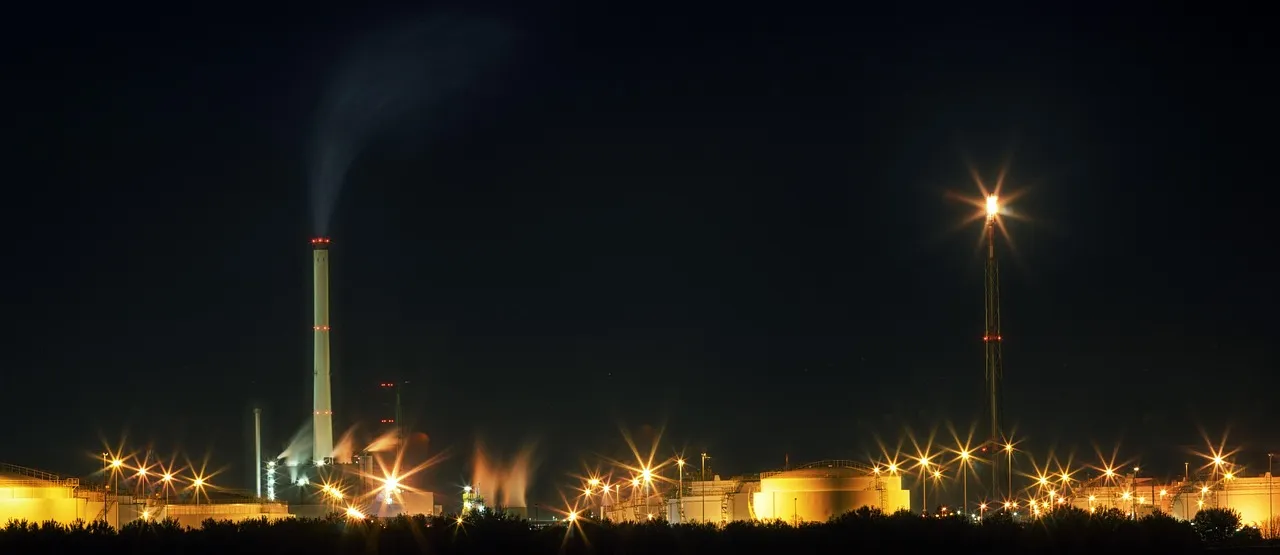
West Texas Intermediate crude broke below $100 a barrel on Monday, and Brent fell with it, after months in which the price of oil tracked the fighting in the Gulf more closely than any supply-and-demand table. The drop was sharp. Both benchmarks shed about 6% on the day, according to market data from Trading Economics and other trackers, with Brent sliding toward $106 and U.S. crude dipping under the $100 line it had defended through a tense October. The trigger came from diplomacy. No new barrels reached the market.
Secretary of State Marco Rubio said Saturday that no decision had been made on renewed U.S. strikes on Iran, and that President Trump preferred a diplomatic resolution. An Iranian delegation was in Qatar for talks with mediators, Bloomberg reported.
The market has spent most of 2026 pricing a war. Since late February, tankers crossing the Strait of Hormuz have come under repeated attack, and crude has carried a premium for the risk. The question traders are weighing now is whether Monday’s slide marks that premium draining away, or a relief rally built on a hope no one has yet written down.
A glut was the story before the war
Before the first tanker was hit, oil’s problem was too much supply. OPEC spent much of the year cutting its 2026 demand-growth forecast, trimming it month after month as consumption in the advanced economies softened. The International Energy Agency went further, projecting that global demand could fall outright in 2026, and Goldman Sachs warned of large surpluses stretching through the year. The glut did not vanish. It was buried under the premium. If diplomacy holds and Gulf barrels move freely again, the argument runs, crude drifts back toward the level a well-supplied market would set on its own.
Monday’s trade reads, to some, as the first step. Rubio’s comments and the Qatar talks suggest the two sides are at least speaking, and oil’s reaction was immediate and large. Global equities climbed as crude fell, a pattern that fits a market treating cheaper energy as a tax cut for households and a help to central banks still minding inflation.
The mines are still in the water
Nothing has been signed. Rubio said no decision had been made, and Trump’s own framing was conditional. “Either they’ll make a deal, or we’ll just end it,” he told broadcasters before a rally, adding that he would weigh his options after Tuesday’s midterm elections. Talk is not the same as a ceasefire, and the physical risk that built the premium is still on the water. The International Maritime Organization counted 11 tankers struck in the single week ended October 4, the most since the conflict began, and says at least two dozen sailors have died in attacks on about 100 commercial vessels since late February. The flows show the strain. Kpler data put Hormuz crude exports at 8.5 million barrels a day in early October, around 40% below the prewar normal.
That is why some analysts are slow to call the top. Brent ran up about 15% in October to its highest level since April, and UBS has said it expects the benchmark to hold near $110 into year-end, citing record freight costs and constrained tanker capacity. Anyone who traded the spring, when Brent pushed past $120, knows how quickly the price can reset if a single round of talks falls apart.
What the data shows
Friday’s close caught the market still leaning the other way. The tape had not turned yet. The S&P 500 rose 0.58% to 7,624 and the Dow added 1.1%; the 10-year Treasury yield eased to 4.98%, and the VIX slipped to 18.87. Energy was the best-performing sector that session, up 1.9%, even as technology fell 4.9%, and refiners Valero and Phillips 66 ranked among the day’s biggest gainers. As recently as Friday, in other words, the tape still paid for the war premium. Monday’s oil move, if it holds, points the opposite way, and the gap between the two sessions measures how much of crude’s price sits on geopolitics rather than barrels.
What would settle it
The calendar offers a few fixed markers. Tuesday brings the U.S. midterm elections, which Trump has tied to his own timeline on Iran. Weekly U.S. supply figures begin with the industry API report Tuesday evening and the government’s official inventory data mid-week, which will show whether the physical picture is actually loosening. The Qatar-mediated talks are the variable with no set date. Any confirmed agreement, or any return to strikes, would move crude faster than an inventory report.
For now the market is holding two stories at once. One says the most expensive risk of 2026 is finally easing, and that oil can fall back toward the surplus it faced before the fighting. The other says a few days of diplomacy have not pulled a single mine from the water, and that the barrels still at risk earn the price they command. Monday’s trade leaned hard toward the first. Whether it stays there depends on events that have not happened yet.
This is a general-market summary for information only — not investment advice, and not a recommendation regarding any security.
Filed under: analysis · energy · oil · geopolitics