Dividends, Explained: How Payouts, Yield, and Total Return Fit Together
A dividend is cash a company sends its shareholders. Here's how yield, the payout ratio, and the four dates on the calendar decide who gets paid and how much.
By Bellwize Staff · September 22, 2026, 11:05 AM ET
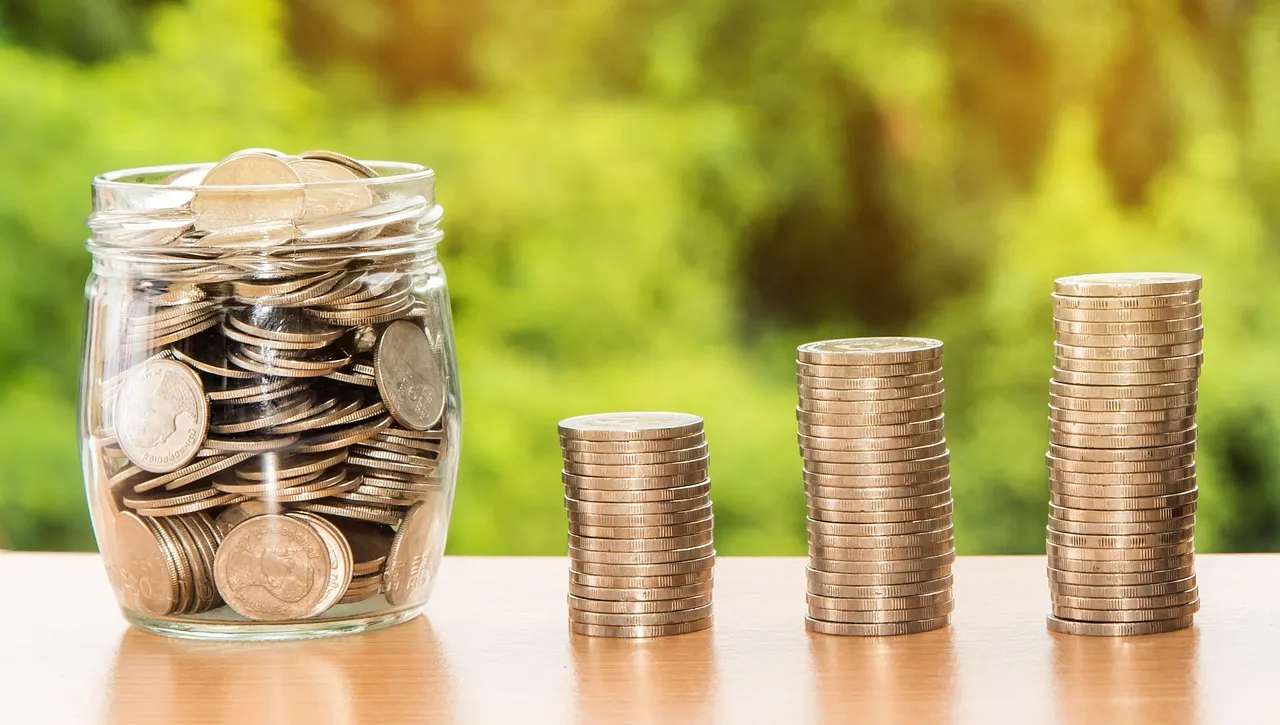
A dividend is simple at its core. A company takes part of its profit and pays it out to the people who own the stock. No sale required. You hold the share, and cash lands in your account, usually once a quarter.
A slice of profit, paid in cash
A dividend is a cash payment a company makes to its shareholders, quoted as an amount per share. A board of directors declares it, decides the size, and can raise or cut it in any quarter. Most large U.S. companies that pay do so every three months, so an announced $1.00 quarterly dividend means $4.00 a year for each share you hold.
Not every company pays one. Many young or fast-growing firms plow every dollar back into the business, betting that reinvested profit is worth more than cash returned today. Steadier businesses such as utilities and consumer staples tend to be the reliable payers. A long, unbroken record of raising the dividend is a point of pride, which is exactly why a cut lands so hard: the market reads it as a signal that the profit behind it has weakened.
Yield is a ratio, and it moves with the price
The dividend yield is the annual dividend divided by the current share price, written as a percentage. A stock at $100 paying $4.00 a year yields 4%. The figure moves as the price moves. If that same stock falls to $80 while the payout holds, the yield jumps to 5% without the company doing anything.
That inverse link is the catch. A yield that looks unusually generous is sometimes the market pricing in a cut it expects before the company admits it. Yield is a starting question, not an answer. Compare it against a company’s own history and its industry peers before you trust it.
The payout ratio shows what a dividend can survive
To judge whether a dividend can last, look at the payout ratio: the dividend divided by earnings. A company that earns $8.00 a share and pays $4.00 has a 50% payout ratio, leaving half its profit to reinvest or hold as a cushion. A low ratio gives room to keep paying through a weak year and room to raise later.
Above 100% is the warning sign. It means the company is paying out more than it earns, covering the gap with cash reserves or borrowing, and that rarely holds for long.
Four dates decide who gets the check
Owning the stock is not quite enough; you have to own it at the right moment. Four dates govern each payment.
- Declaration date: the board announces the dividend and its size.
- Ex-dividend date: the cutoff. Buy before this day and you receive the payment; buy on it or after and the seller keeps it.
- Record date: the company checks its books for who the registered owners are.
- Payment date: the cash actually arrives.
The ex-dividend date is the one that trips people up. On that morning the share price typically opens lower by about the amount of the dividend, because the stock no longer carries the right to that upcoming cash. Buying the day before a payout is not a free lunch; the money you collect comes back out of the share price.
Total return is the number that actually counts
Watching the price alone understates what a dividend-paying stock does for you. Total return combines the change in price with the dividends you collect, and it assumes you reinvest that cash to buy more shares. Reinvested payouts buy shares that then pay their own dividends. The compounding builds over years.
Across long stretches of market history, reinvested dividends have supplied a large share of the stock market’s total gain, well beyond price appreciation by itself. It is why broad index funds and ETFs are usually quoted on a total-return basis. When you compare an investment’s performance, check whether the number you are looking at includes the dividends or leaves them out.
A dividend is real cash and a steady one signals discipline. Yield tells you the price of that cash, the payout ratio tells you whether it will keep coming, and total return tells you what it was worth once it was reinvested. Read the three together.
This is a general-market summary for information only — not investment advice, and not a recommendation regarding any security.
Filed under: learn · explainer · dividends