Boeing Climbs After FAA Certifies the 737 MAX 7
The agency issued an amended type certificate for the smallest MAX jet on Monday, closing out a review that ran close to a decade and clearing the way for launch customer Southwest Airlines to eventually take delivery.
By Bellwize Staff · August 3, 2026, 1:39 PM ET
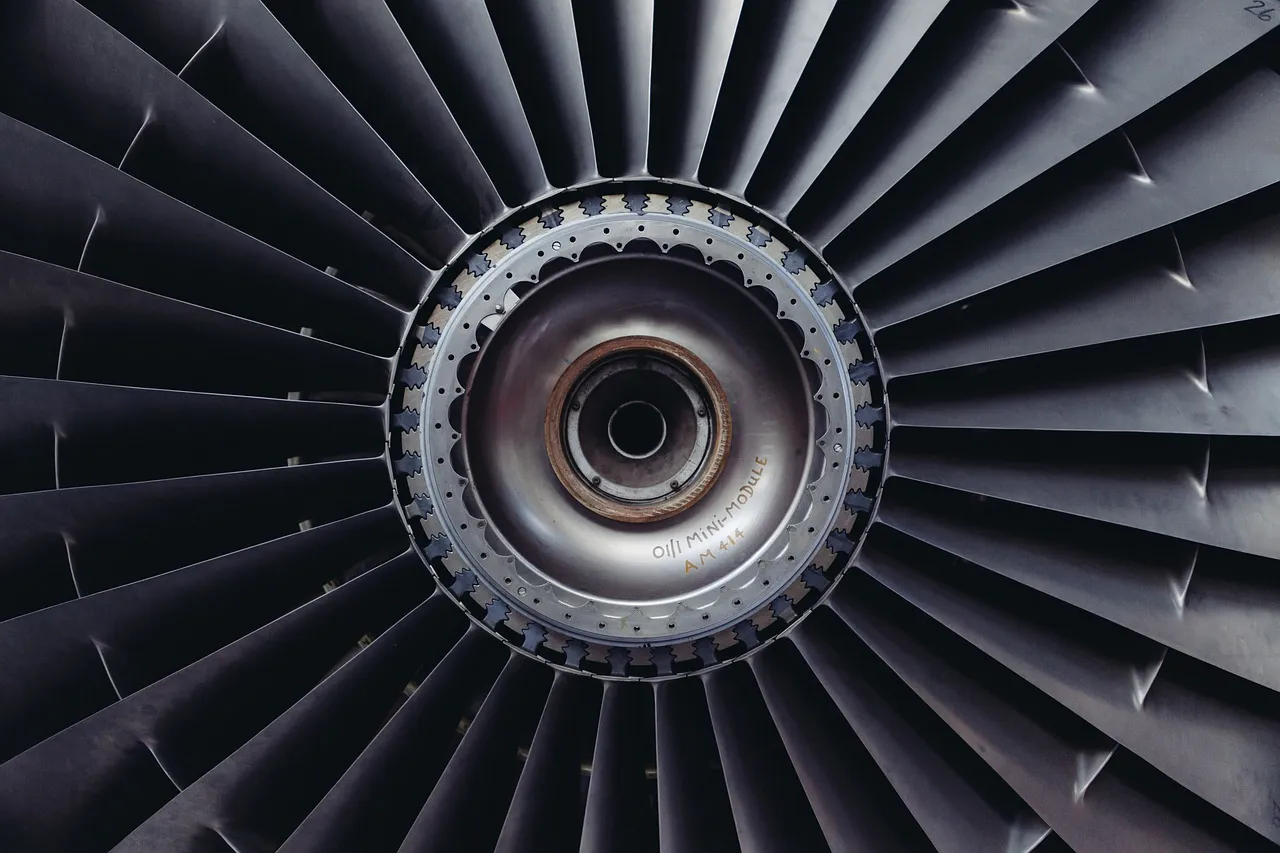
Boeing shares rallied in afternoon trading on Monday after the Federal Aviation Administration certified the 737 MAX 7, the smallest jet in the MAX family and a model that had waited years for approval. The stock was up 6.7% as of early afternoon, one of its stronger sessions this year. The catalyst was regulatory. A milestone the company had chased since before the pandemic had finally arrived.
What the FAA cleared
The FAA issued an amended type certificate and an updated production limitation record for the MAX 7 on Monday, the agency said in a statement. The list of conditions was specific. Before signing off, regulators required Boeing to change the flight-control software, the flightcrew alerting system that gives pilots warnings and status information, and the engine anti-ice system, which was redesigned to keep the engine inlet from overheating and weakening the structure around it. FAA inspectors will stay on site at Boeing’s production plants to monitor manufacturing and the company’s safety practices, the agency said.
A review that ran close to a decade
Approval came after what the FAA described as almost a decade of review. The process was slow. The timeline stretched in part because of the two fatal crashes involving the larger MAX 8 in 2018 and 2019, which reshaped how the agency certifies the family and led to tighter standards written into law. Regulators also hardened their oversight of the whole line after the accidents. Boeing had to work the MAX 7 through that tightened process, and the smaller jet got caught in the delay.
Southwest holds the backlog
The certification matters commercially because of Southwest Airlines. The airline has waited years. The carrier is the MAX 7’s launch customer and holds the large majority of its orders. Boeing’s backlog for the variant runs to roughly 280 aircraft, most of them Southwest’s, and reporting on the program has put the airline’s share of remaining commitments near 90%. Those deliveries have been on hold, waiting on Monday’s signature. For a manufacturer still rebuilding 737 output under close FAA oversight, with inspectors remaining on site, turning that backlog into finished aircraft is the whole point of clearing the jet.
A jump against a flat month
Monday’s move stands out against a quiet stretch. The run had been flat. Boeing closed Friday at $216.14, down 3% over the prior 30 days, though it remains up 8% across the past 90. Friday’s trading volume ran above its 20-day average. If Monday’s gain holds into the close, the shares would sit near $231, still 9% under their 52-week high of $254.35 and well above the year’s low of $176.77. The company’s market value is roughly $182 billion.
The MAX 10 is next in line
Two things now sit in front of Boeing. The larger 737 MAX 10, the last uncertified member of the family, is still awaiting the FAA, and the company has said it expects that approval to follow the MAX 7’s. After certification comes delivery. Reporting on the flight-test schedule has pointed to 2027 for the first MAX 7 handovers, and Southwest had signaled it expected none this year. The certificate clears the runway. Filling the assembly line is the next test.
This is a general-market summary for information only — not investment advice, and not a recommendation regarding any security.
Filed under: stocks · ba · aerospace