Micron Jumps as Washington Presses Companies Away From Chinese Memory
Micron rose about 5% in afternoon trading Monday after Commerce Secretary Howard Lutnick said U.S. companies should not buy Chinese memory chips, extending an AI-driven run in memory prices.
By Bellwize Staff · August 17, 2026, 1:40 PM ET
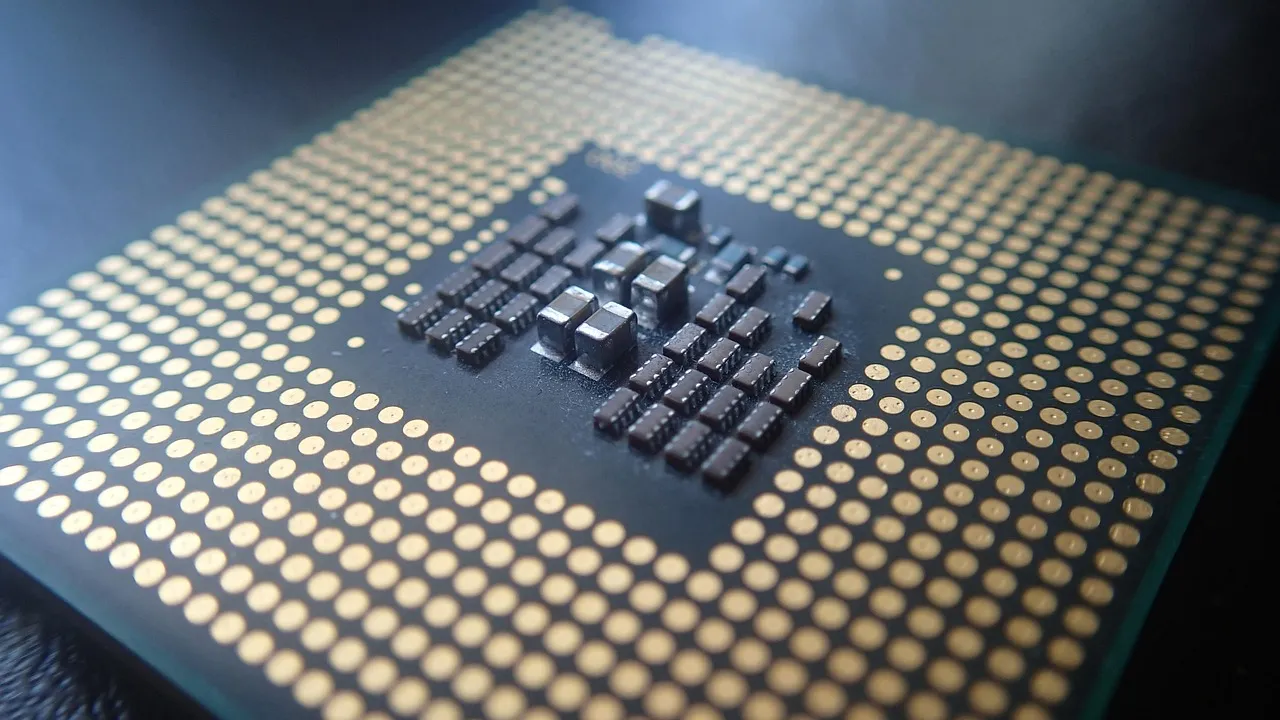
Micron Technology rose about 5% in afternoon trading Monday, changing hands above $1,015 after closing Friday at $971.66. The gain followed a weekend of memory-market headlines. A senior Trump administration official warned American companies off Chinese chips, and Tesla’s Elon Musk called memory the main bottleneck for artificial intelligence. Memory makers have run higher all year. Monday added to it.
Washington leans on Apple over Chinese suppliers
The policy signal came from Commerce Secretary Howard Lutnick. In an interview with The Wall Street Journal after touring an Apple manufacturing site in Houston, Lutnick said the administration was “not in favor” of Apple sourcing memory from Chinese manufacturers, adding that there had to be other solutions to the memory question “but it’s not great American companies using Chinese memory.” He said he had relayed that to Apple plainly.
The two firms at issue are ChangXin Memory Technologies, known as CXMT, and Yangtze Memory Technologies, or YMTC. Apple has been seeking clearance to buy from them. YMTC already sits on the U.S. Commerce Department’s Entity List, and the Pentagon has designated both companies as tied to China’s military. The read-through for investors was direct. If the largest device makers are steered away from Chinese memory, more of that demand flows to Micron and its two main rivals, South Korea’s SK Hynix and Samsung.
AI has drained the memory supply
The comments met an already-tight market. Prices for the DRAM and high-bandwidth memory that feed AI data centers have climbed steeply this year as supply has failed to keep pace. Micron’s chief executive, Sanjay Mehrotra, has called the imbalance the largest supply-demand gap in the company’s history, saying Micron can meet only half to two-thirds of what some large customers want. Stifel has estimated the squeeze has roughly tripled the price of AI memory, and Deutsche Bank has projected 2026 demand for DRAM will run about 10% above what the industry can produce. Micron sells straight into that gap. The strain has started to reach buyers of finished electronics, as higher memory costs work their way into the price of PCs and phones.
The move was industry-wide. SanDisk and Western Digital climbed more on Monday, and SK Hynix rose in Seoul trading, as investors read the weekend news as one more sign of scarcity. Analysts have spent much of the month lifting price targets across the group.
The chart, and Apple’s next move
Even before Monday, Micron had gained 7.5% over the past month and had more than doubled since the spring, closing Friday up 130% from its early-April low of $421.51. Friday’s close still sat 23% under the stock’s 52-week high of $1,255. Volume on Friday ran about a third below its 20-day average, and Monday’s move drew far busier trading from the open.
Two things bear watching from here. The first is where memory shares settle at Monday’s close, after a morning in which the broader market drifted as Middle East tensions weighed on sentiment. The second is Apple’s decision. The company still needs an answer on whether it can use Chinese memory, and any formal guidance from Washington would ripple across the supply chain that Micron, SK Hynix, and Samsung anchor.
This is a general-market summary for information only — not investment advice, and not a recommendation regarding any security.
Filed under: stocks · mu · semiconductors