Hold or Hike? The Fed Decision the Market Can't Call
For the first time this cycle a Fed meeting carries real two-way risk: markets still favor a hold at 3.75%, but June's projections and an oil shock keep a hike in play.
By Bellwize Staff · July 28, 2026, 11:22 AM ET
Bellwize Analysis weighs the public evidence around a market question. It is general information — not a forecast, and not investment advice.
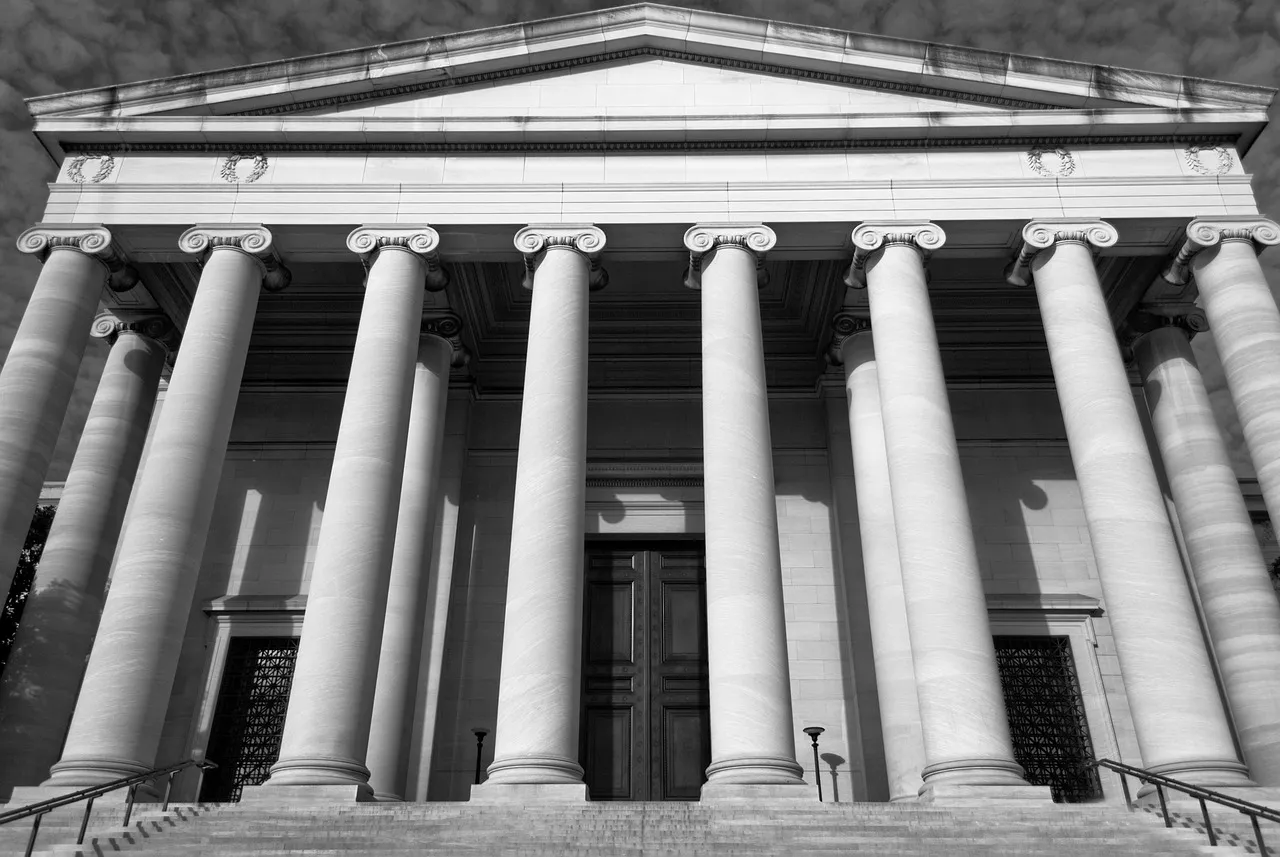
The Federal Open Market Committee announces its July decision on Wednesday at 2 p.m. Eastern, followed half an hour later by Chair Kevin Warsh’s press conference. For most of this cycle, the only live question at a Fed meeting was the timing of the next cut. This one is different. Futures markets still favor no change, keeping the target range at 3.5% to 3.75%, but they now put something close to a one-in-three chance on a quarter-point hike, up from near one-in-ten a week ago (CME’s FedWatch tool, as reported by CBS News). A central bank that investors expected to be easing by now is instead being priced for a possible increase.
Two forces pulled the debate here, and they point in opposite directions.
June’s projections already pointed higher
The argument for a move starts with the Fed’s own June forecasts. At that meeting the committee held rates but raised its median year-end projection for the federal funds rate to 3.8% from 3.4%, a level that implies at least one more increase before December. Nine of the eighteen officials penciled in a hike this year, and the committee lifted its 2026 projection for core inflation to 3.6% from 2.7% (Federal Reserve June projections; corroborated by Cryptobriefing and TradingKey). Warsh, in his first weeks as chair, told a central-banking forum in Sintra that “prices are too high,” and he has signaled the Fed will offer less forward guidance than it did under his predecessor (Chase; Goodreturns).
Then came oil. A US-Iran confrontation over the Strait of Hormuz pushed Brent crude above $78 a barrel this month, its highest since late June, after American strikes on Iranian targets (Al Jazeera; Trading Economics). Higher energy costs feed straight into headline inflation, and a committee that has already marked up its inflation forecast has fresh reason to doubt the number will fall on its own.
Five straight holds, and the data has cooled
The argument for patience is simpler, and by the numbers it is still the market’s base case. A hold on Wednesday would be the fifth consecutive meeting with no change, and economists polled by FactSet expect exactly that (CBS News). The bar to a hike is high for a plain reason: raising rates into a possible slowdown risks tightening credit just as growth fades.
And recent data has cooled. Durable-goods orders rose 0.3% in the latest reading, well short of the 2.5% forecast, in the government’s advance report. Regional factory surveys from the Dallas and Richmond Feds showed little movement. A central bank that raises now would be betting that oil-driven inflation outweighs an economy losing momentum, a bet many on the committee may prefer to defer. September, not July, may be the first real test, in the reading of EY-Parthenon chief economist Gregory Daco (via CBS News).
What the data shows
Markets are not braced for a shock. The S&P 500 stood at 7,408 on Monday, essentially flat on the session; the VIX eased to about 18; the 10-year Treasury yield held at 4.69%. Those readings describe a market that sees a genuinely open call with modest near-term stakes, one that has priced the odds without picking the outcome. The decision itself carries a consensus forecast of no change, leaving the upper bound of the range at 3.75%.
What would settle it
The answer comes Wednesday. The rate decision lands at 2 p.m. Eastern, and Warsh’s press conference at 2:30 will matter as much as the number given his stated preference for less guidance; any read on the committee’s appetite for a September move will have to come from his tone. The next morning brings more. The advance estimate of second-quarter GDP, forecast at 2.1%, and the June reading of core PCE, the Fed’s preferred inflation gauge and forecast at 0.2% for the month, both land Thursday. A GDP figure confirming slower growth would strengthen the patience camp. A hot PCE print would hand the hawks their evidence.
What makes this meeting rare is that both outcomes trace to the Fed’s own recent words. Its June projections lean toward more tightening; its five-meeting pause and a softening activity picture lean toward waiting. Warsh inherits a committee that has told the market to expect higher rates and an economy that is not obviously demanding them. One of those signals gives way Wednesday.
This is a general-market summary for information only — not investment advice, and not a recommendation regarding any security.
Filed under: analysis · federal-reserve · monetary-policy · inflation