How Durable Is Oil's War Premium?
Crude has spiked again on Middle East supply fears after round-tripping to pre-war levels once this summer, and the market is split on whether the premium is built to last.
By Bellwize Staff · July 29, 2026, 11:22 AM ET
Bellwize Analysis weighs the public evidence around a market question. It is general information — not a forecast, and not investment advice.
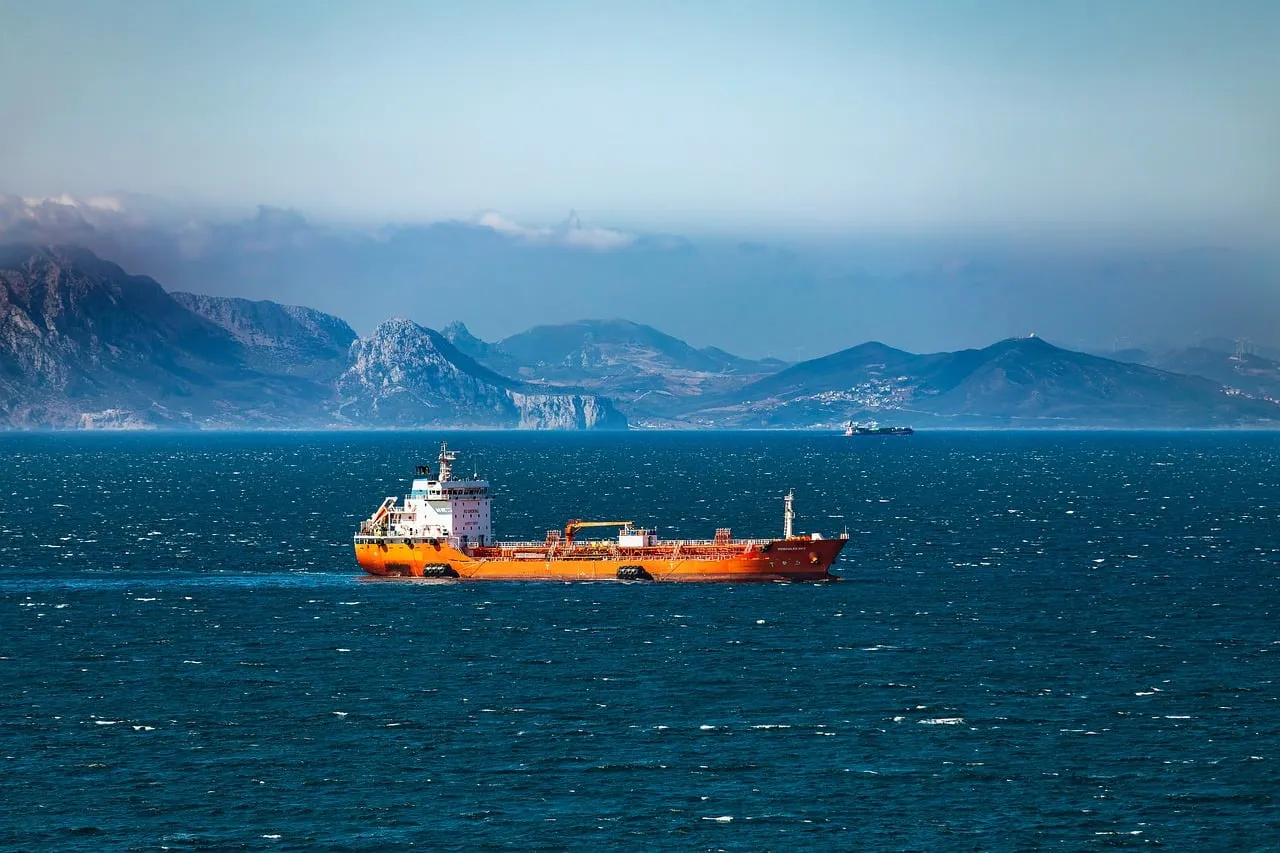
Crude oil is carrying a war premium again. After a summer in which prices climbed on Middle East supply scares, drifted back toward pre-war levels during a lull, then jumped once more this week as tanker traffic through the Strait of Hormuz thinned and Houthi forces threatened Red Sea shipping, traders are left with one hard question: how much of the current premium is built to last?
It matters beyond the pump. Energy is the input that feeds most directly into headline inflation, and this spike lands on a market already weighing a Federal Reserve decision and a fresh read on prices. A crude move that sticks would complicate every forecast that assumed disinflation from here; one that fades would leave the summer’s scare as noise.
When Gulf flows run below half
The bull case rests on physical supply rather than sentiment. Goldman Sachs told clients that oil moving through the Gulf has slid below roughly 45% of its pre-war rate, as Iranian attacks cut Hormuz tanker traffic to a trickle and Houthi forces declared a maritime embargo on Saudi-linked shipping, forcing cargoes bound for China and India to reverse course in the Red Sea. The bank laid out a scenario in which Brent tops $120 a barrel in the fourth quarter and averages near $100 next year, provided those flows stay disrupted and Gulf output does not fully recover until the end of 2027.
The mechanism is simple. Roughly a fifth of the world’s seaborne oil passes through Hormuz, and no pipeline substitutes for it at that scale. When the constraint is the chokepoint and not the wellhead, spare capacity sitting behind it cannot reach buyers. Every renewed attack this month has pushed prices to fresh multi-week highs, a pattern that argues the market keeps having to re-add a risk it had tried to price out.
The round trip already on the tape
The bear case starts from the same chart. Twice this summer crude has round-tripped: it spiked on hostilities, then slid back toward pre-war levels once a ceasefire held, before the next flare-up. That history is the strongest evidence that these premiums are rented, not owned, and that the market keeps fading them.
Behind the geopolitics sits a well-supplied physical market. Analysts at ADI Analytics argue global supply is running a surplus of several million barrels a day in 2026 as U.S. shale and new offshore output grows, and see prices sliding into the $60s by year-end. OPEC producers hold substantial spare capacity that can return once risk eases. Demand is the other half of the ledger: the IEA has cut its 2026 consumption outlook toward an outright contraction, and the IMF’s spring projections flagged global growth drifting toward 2%, a pace that historically softens fuel use. Even Goldman’s own baseline, the forecast it still calls most likely, keeps Brent near $80 for the fourth quarter on the assumption Hormuz stays open. The $120 figure is a risk scenario the bank does not expect to hit.
What the data shows
The equity market has been cautious about extrapolating the spike. At Tuesday’s close, the S&P 500 energy sector fell 1.35%, the second-weakest of the eleven groups, even with crude elevated; energy shares were not pricing a durable move higher. The broad tape was risk-off, with the S&P 500 down 0.75%, the Dow down 1.58%, and the Nasdaq down 0.93%, while the Cboe Volatility Index jumped nearly 8% as stress rose into the Fed meeting and the oil headlines. The 10-year Treasury yield eased. Read one way, stocks are discounting the premium as temporary; read another, energy equities simply lag the commodity and have room to catch up if it holds.
What would settle it
The near-term tells are on the calendar. The weekly EIA inventory report, out Wednesday, shows whether the disruptions are draining U.S. stocks or leaving them ample. The Fed’s decision the same afternoon frames how policymakers weigh an energy-driven inflation risk. Later in the week, Valero reports Thursday and Chevron on Friday; refiner and major-integrated guidance will reveal whether operators are provisioning for sustained tightness or a fade. Beyond that, the observable variable is Hormuz and Red Sea transit itself: a durable recovery in tanker volumes would pull the premium out fast, while continued disruption is the exact condition Goldman named for its high case. The next OPEC+ production meeting will show whether the group intends to release spare barrels.
The evidence points in both directions at once. The supply threat is real and concentrated at a chokepoint that spare capacity cannot bypass; the demand and inventory backdrop is soft, and the market has already faded two versions of this scare. Which force wins is a question of duration, and duration is the one variable no one can yet source.
This is a general-market summary for information only — not investment advice, and not a recommendation regarding any security.
Filed under: analysis · energy · oil · geopolitics