Boeing Hands Its Flying-Taxi Bet to Archer. Is That Focus or Retreat?
Boeing agreed to sell Wisk, Insitu and SkyGrid to Archer Aviation for a near-20% stake while keeping access to the autonomy technology, a move a reasonable reader can call a refocus on core jets or a surrender of the advanced-air-mobility future.
By Bellwize Staff · August 10, 2026, 11:36 AM ET
Bellwize Analysis weighs the public evidence around a market question. It is general information — not a forecast, and not investment advice.
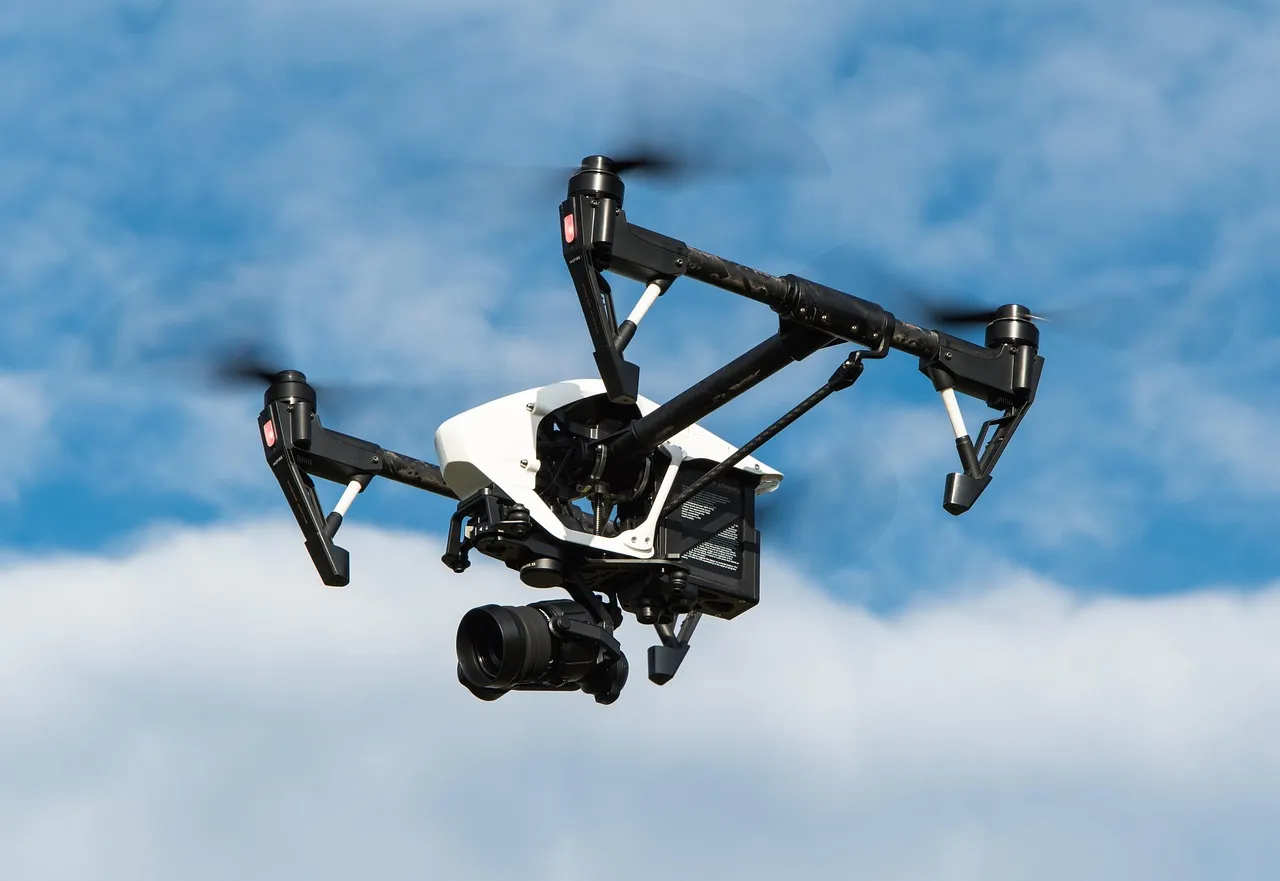
Boeing is getting out of the flying-taxi business by handing it to a company chasing the same market. On Monday the planemaker signed definitive agreements to sell three subsidiaries to Archer Aviation: Wisk Aero, its electric air-taxi venture; Insitu, a military drone maker; and SkyGrid, an airspace-management platform. Boeing does not walk away empty-handed. It takes a stake of nearly 20 percent in Archer, the largest outside holding in the company, along with a seat it can fill on the board and continued access to Wisk’s autonomous flight technology. Archer’s stock jumped. Boeing’s barely moved. The split reaction frames the question the market is now weighing: did Boeing sharpen its focus, or give away a head start?
A second sale after a $10.55 billion one
The refocus reading starts with a pattern. Kelly Ortberg took over as chief executive in August 2024 with the company bleeding cash and its reputation battered by the 737 MAX crisis, and he has spent since then narrowing Boeing to its core. Last year he sold the Jeppesen navigation and digital-aviation business to Thoma Bravo for $10.55 billion. Wisk, by contrast, was a cash-consuming research program with no revenue and no near-term path to it. Passing it to Archer removes that drain and converts it into an equity stake that gains if the air-taxi market Boeing could not fund alone actually arrives.
The technology does not leave with the units. Under the agreement Boeing keeps access to Wisk’s core autonomous flight systems for its current and next-generation commercial and defense aircraft, the capability most relevant to an eventual successor to the 737. Boeing’s product-development chief, Brian Yutko, called the transaction a win for both sides and said it lets the company capitalize on two decades of investment in the technology. On that reading Boeing kept the piece that matters to its airplanes and offloaded the operating burden it did not want to carry.
Sixteen years of Wisk, now a rival’s
The other reading starts with the tape. Archer’s shares climbed as much as 20 percent on the news, a market verdict that the assets it is buying are worth far more to it than Boeing gave up. Wisk arrives with 16 years of work behind it: six generations of aircraft and more than 1,700 flight tests, a lead in autonomous eVTOL flight that money alone cannot rebuild quickly. Insitu is not a science project. Founded in 1994 and owned by Boeing since 2008, it generates more than $200 million in annual revenue from its ScanEagle and Integrator drones, with more than 3,500 aircraft fielded across 35 countries. Selling a profitable defense-drone business while militaries are spending heavily on uncrewed systems is the part critics find hardest to square with focus.
There is a strategic cost beyond the price. The deal’s own framing calls it a bet on the “physical AI” future of aerospace and defense, and Boeing is now a minority investor in that future instead of its owner. Its access to Wisk’s autonomy runs through a licensing arrangement with a partner it does not control. If advanced air mobility becomes the growth story its backers promise, Boeing will share in it as a shareholder, not steer it as the builder.
What the data shows
Boeing came into the deal on a strong run. The stock closed Friday at $234.42 and traded near $235 on Monday, up from about $205 a month earlier, and its market value sits near $186 billion. That leaves it about 7 percent below its 52-week high of $254.35 and well above the $128.88 low it touched over the past year. The muted response to the sale is itself a data point. With Boeing’s shares little changed on the day, investors are treating three divested units as immaterial to a company whose value still rides on jet deliveries and its defense backlog. Archer, far the smaller company, is where the re-rating landed.
What would settle it
The near-term tests are on the calendar. The transaction needs to clear the Hart-Scott-Rodino antitrust waiting period and is expected to close by the end of 2026; how that review treats the combination of two eVTOL programs will show whether regulators see a competitive problem. Boeing’s next quarterly results will show whether shedding these units and the cash they consumed moves free cash flow, the metric Ortberg has staked the turnaround on. Archer’s filings, including the Form 8-K covering the deal, will spell out the exact stake, warrant and investment figures. And the certification timelines for Archer’s Midnight aircraft and Wisk’s autonomous program will show, over the next few years, whether the head start Boeing sold was worth keeping. Until those land, the same sale reads as discipline and as surrender at once.
This is a general-market summary for information only — not investment advice, and not a recommendation regarding any security.
Filed under: analysis · aerospace · advanced-air-mobility · boeing