With Oil Back Above $90, Does the Hormuz Premium Build or Fade?
A weekend strike near the Strait of Hormuz pushed crude up 2.5%, reviving a question that has split the market all summer: how much geopolitical risk belongs in the price.
By Bellwize Staff · August 31, 2026, 11:29 AM ET
Bellwize Analysis weighs the public evidence around a market question. It is general information — not a forecast, and not investment advice.
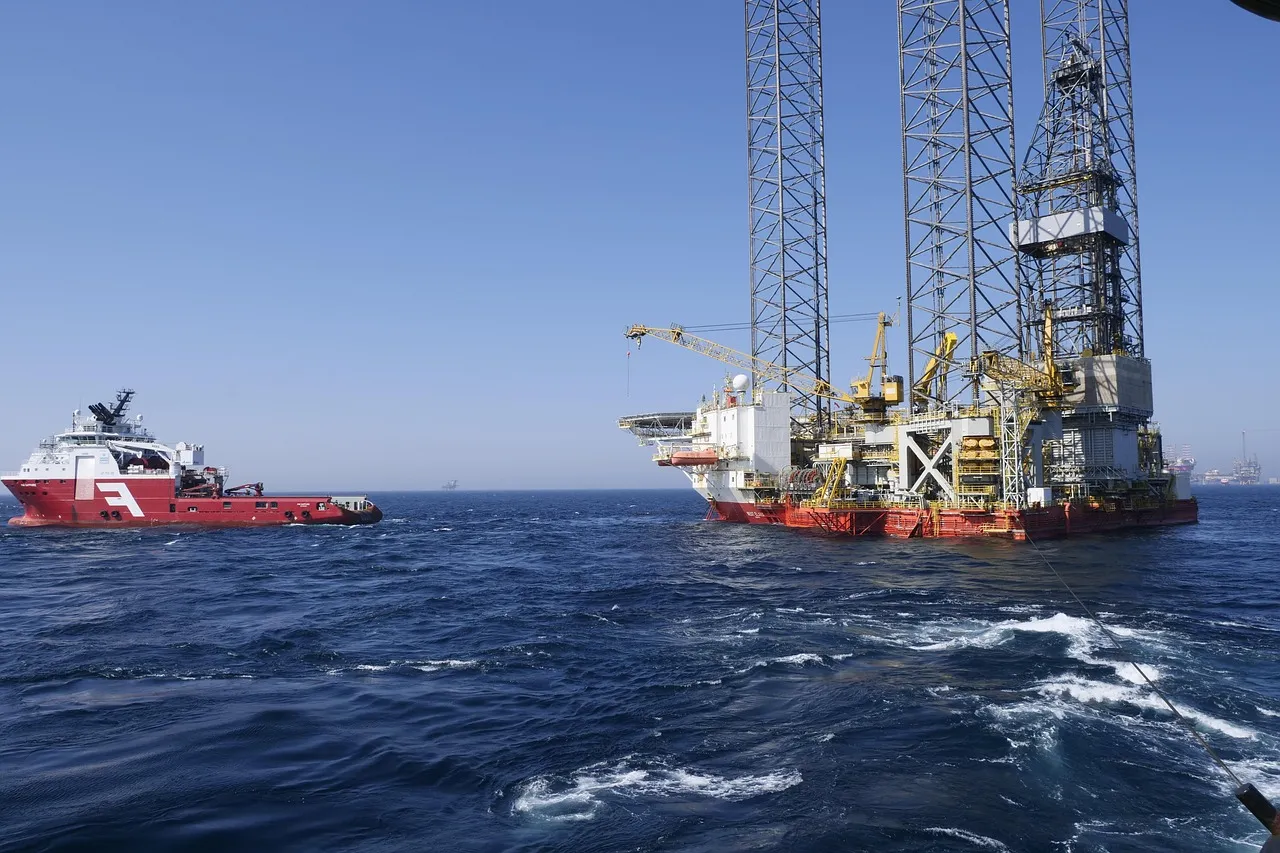
The Strait of Hormuz pulled oil back to the center of the tape on Monday. Brent crude rose $2.22, or 2.52%, to $90.32 a barrel, and U.S. West Texas Intermediate added $2.01, or 2.41%, to $85.41, after U.S. forces struck two Iranian rocket launchers on Larak Island over the weekend. Washington said the launchers were being readied to seed mines into the strait, the passage that carries a fifth of the world’s oil. It was the first American strike on Iran since late July, and Tehran answered overnight with attacks on U.S. allies in the Gulf.
That single weekend reset a debate the market has been having all summer. Crude had actually fallen about 4% last week, slipping toward $83 as traders reframed the six-month-old conflict as a slow sanctions standoff rather than an imminent supply cutoff. Monday undid part of that. The question underneath the price is easy to state and hard to answer: is the risk premium in oil about to build again, or is the market right to keep fading each flare-up?
A contested chokepoint with no release valve
The bullish case starts with the barrels. The International Energy Agency’s August report described Hormuz as effectively closed again since early July, with regional loadings that had run near 20 million barrels a day falling to roughly 12 million later in the month — a swing of more than 2 million barrels of daily exports. While the waterway is contested, the OPEC+ spare capacity that would normally cushion a shock sits behind the same chokepoint, largely out of reach.
Monday’s move shows traders still respect that tail. Goldman Sachs has pegged the real-time risk premium embedded in crude near $18 a barrel. Add an active conflict at the mouth of the Gulf, a mine threat serious enough to draw a U.S. strike, and Iranian retaliation against neighboring states, and the argument writes itself: the market sits one escalation away from pricing a fuller closure, and $90 could look cheap.
A market that keeps selling the spikes
The other side has the summer’s price action on its ledger. At $90, Brent trades far below the wartime peak above $120 it reached earlier this year, and last week’s slide showed how quickly the premium bleeds out when no barrels are actually lost. The U.S. Navy cleared mines from the strait’s main lane days ago, and the administration has warned it will destroy any vessel caught laying new ones. Flows have been disrupted and volatile. They have not stopped.
Goldman’s own math cuts the same way. The bank estimates the premium would fade toward $4 a barrel if only half of Hormuz traffic were halted for a month, meaning most of what is priced today unwinds unless the disruption deepens. Behind the geopolitics sits a well-supplied world. U.S. output is running near a record 13.6 million barrels a day, and OPEC+ has volumes waiting to return once transit normalizes. The IEA has trimmed its 2026 demand outlook as high prices do their own work on consumption. Expensive oil tends to cure expensive oil.
What the data shows
Monday’s equity tape read as cautious. The S&P 500 slipped 0.43% to 7,678, the Dow fell 0.64%, and the Nasdaq eased 0.32%. The Cboe Volatility Index rose 5% but only to 15.16, a level that reflects mild unease well short of stress. The 10-year Treasury yield held at 4.67%. Energy was one of the few groups to close higher last week, up 0.63%, while technology lagged with a 1.5% decline. For all the headlines, the equity market is treating the oil move as a familiar risk.
The commodity itself has done most of the talking. A 2.5% jump on a single strike, layered on top of a 4% drop the week before, shows the market still bidding the conflict up and down as the facts shift.
What would settle it
The near-term evidence is scheduled. The Energy Information Administration reports weekly crude inventories on Wednesday, a direct read on whether barrels are actually reaching the U.S. market. The IEA’s next monthly report will show whether Hormuz loadings recover toward the 20-million-barrel level or stay nearer 12. Friday brings the August jobs report, and with it a cleaner sense of how much energy costs are feeding the inflation numbers the Federal Reserve is watching into its September meeting. Any concrete progress on reopening the strait, or a further strike, would move the premium before any of that data prints.
None of it tells you where oil goes next. It tells you which of the two stories the barrels support. Until the flows through Hormuz settle into a clear direction, the price will keep swinging between them.
This is a general-market summary for information only — not investment advice, and not a recommendation regarding any security.
Filed under: analysis · energy · oil · macro