Are Rising Treasury Yields a Warning for Stocks, or a Byproduct of Growth?
Long-term Treasury yields have climbed to their highest in almost two decades, and investors are split on whether that threatens a record-high stock market or simply reflects an economy still running hot.
By Bellwize Staff · September 10, 2026, 11:20 AM ET
Bellwize Analysis weighs the public evidence around a market question. It is general information — not a forecast, and not investment advice.
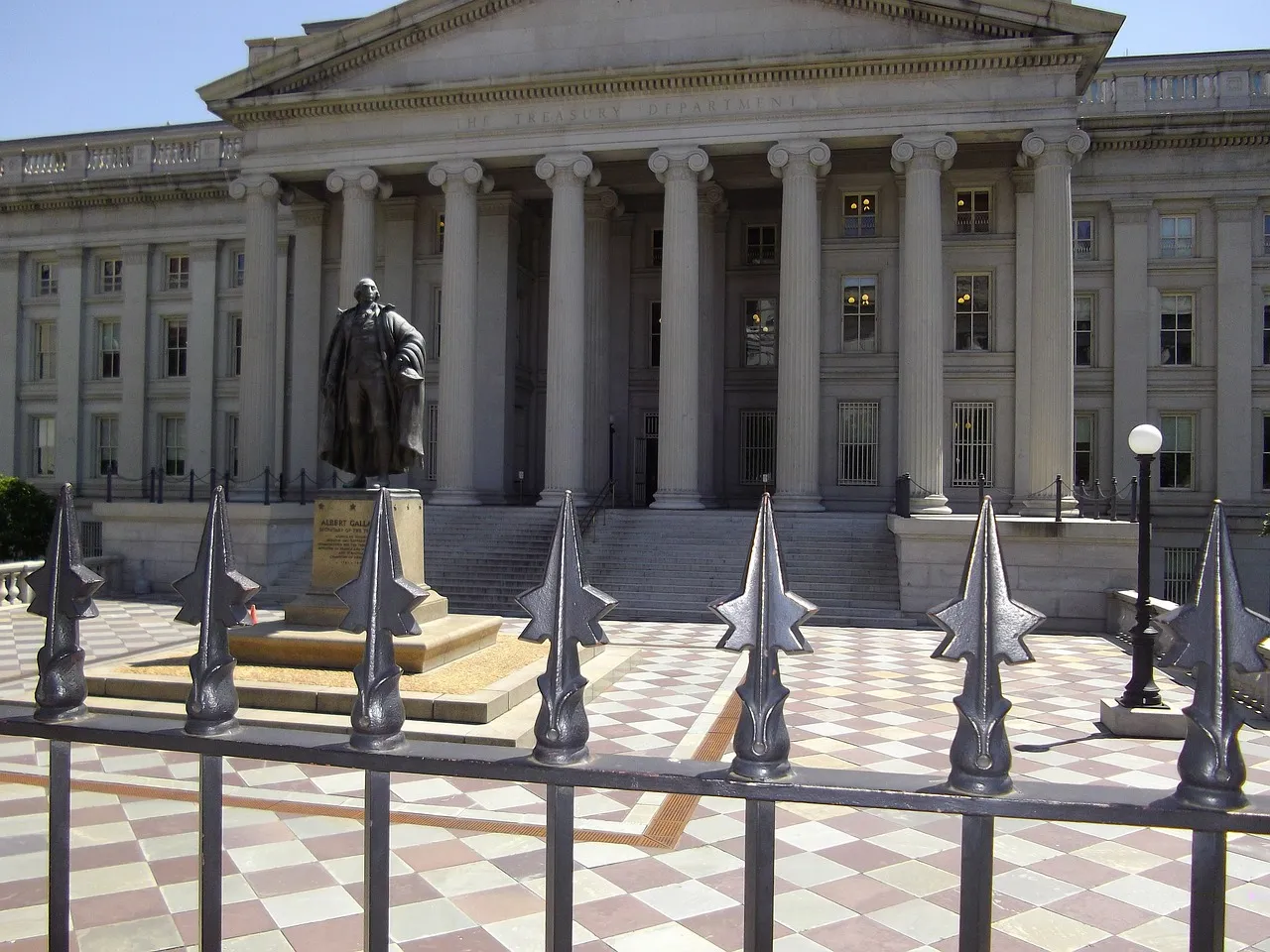
The bond market is setting the terms this week. Long-dated Treasury yields have pushed to levels the United States has not seen in almost two decades, and equities have started to flinch. On Thursday morning the government reported that producer prices rose 0.4% in August, leaving the annual rate at 5.4% and keeping a September rate increase in the conversation. The 30-year yield is back above 5%, its highest since 2007. The 10-year sits near 4.8%, the highest since 2023. Neither move is small.
Both came without a matching jump in recession fear, and that is the puzzle. Higher yields can choke off a rally by raising the return on cash and bonds against stocks. They can also signal that growth is strong enough to carry higher rates. This week the market is trying to decide which force it is looking at.
Borrowing costs at a 2007 level
The alarm starts with the long bond. The 30-year Treasury yield has climbed back above 5% and toward its highest close since 2007, and the 10-year has reached ground it last held in 2023. When the risk-free rate rises, every other asset is measured against a higher bar. Stocks carrying the richest valuations, especially large technology names whose worth sits far in the future, lose the most when those future cash flows are discounted more steeply.
Part of what unsettles this camp is why yields are rising. Analysts point to a heavy federal borrowing calendar and investors demanding more compensation to hold long-dated debt, on top of the inflation that higher oil prices have pushed through the pipeline. August’s producer report showed energy costs up 4.2% on the month, with diesel alone jumping 24%. If yields are climbing on debt and inflation rather than on faster growth, the rise offers stocks no offsetting benefit. The strain already reaches the real economy: the 30-year mortgage rate has moved to 6.85%, and existing home sales fell 2% in the latest reading.
Earnings grew 52% last quarter
The other camp reads the same yields as confirmation. Despite the climb in rates, the S&P 500 is up about 13% this year and sits within 1% of the record it set August 13. Europe’s STOXX 600 and Japan’s Nikkei have risen too. A market that keeps making highs while yields grind up is saying the two can coexist.
The reason, this side argues, is that the yield rise reflects strength. Corporate results back the point. FactSet data show S&P 500 companies grew blended earnings 52% in the second quarter, the fastest pace since 2021. Net margins reached nearly 17%, the highest since 2009, and 86% of firms beat estimates. New York Fed President John Williams has tied the yield move to heavy investment in AI and data-center buildout, the kind of spending that lifts the growth outlook. Consumers are still spending, up more than 2% in real terms over the past year, and initial jobless claims held at 206,000 last week. Fed Chair Kevin Warsh has said financial conditions are not restrictive even at these rates. Firms that locked in cheap debt earlier in the decade face little immediate refinancing pressure.
What the data shows
The latest session leaned lower without breaking. The S&P 500 slipped 0.43%, the Dow 0.45%, and the Nasdaq 0.46%, while the Cboe volatility index rose more than 5% to 17.3. Under the surface, the rotation matched the yield story. Energy was the only sector to gain, up 0.8%, while the rate-sensitive corners fell hardest: utilities and real estate each dropped more than 1%, with consumer staples close behind. Money leaving the parts of the market most exposed to higher discount rates is the footprint of a bond-driven pullback. Yet the headline damage stayed small, and the index remains a whisker from its high. On the inflation side, core producer prices rose just 0.2% in August, below the 0.3% economists expected, a cooler reading underneath the hotter headline.
What would settle it
The calendar will narrow the argument quickly. The Consumer Price Index for August lands Friday, September 11, the last major inflation reading before the Federal Reserve meets. The FOMC decision follows on September 16, when policymakers say whether they read rising yields as a reason to hold or to tighten. Between now and then, a run of Treasury auctions will test appetite for long-dated debt at these levels; weak demand would push yields higher, strong demand would ease the pressure. Each event is dated, and each one measures a piece of the question: whether inflation is still firm, and whether buyers will keep funding the government’s borrowing without demanding still more yield.
None of it calls for a forecast. The prints and the auction results arrive on their own schedule, and each one shifts weight toward one reading or the other. For now the market is holding both at once: near its highs, and nervous about the cost of money.
This is a general-market summary for information only — not investment advice, and not a recommendation regarding any security.
Filed under: analysis · rates · bonds · treasuries · macro