Stocks finished mixed as health care led and energy sank: Wednesday recap
The Dow held near record ground while the S&P 500 and Nasdaq eased, as a soft ADP jobs read and a below-forecast services survey pulled Treasury yields lower.
By Bellwize Staff · August 5, 2026, 5:22 PM ET
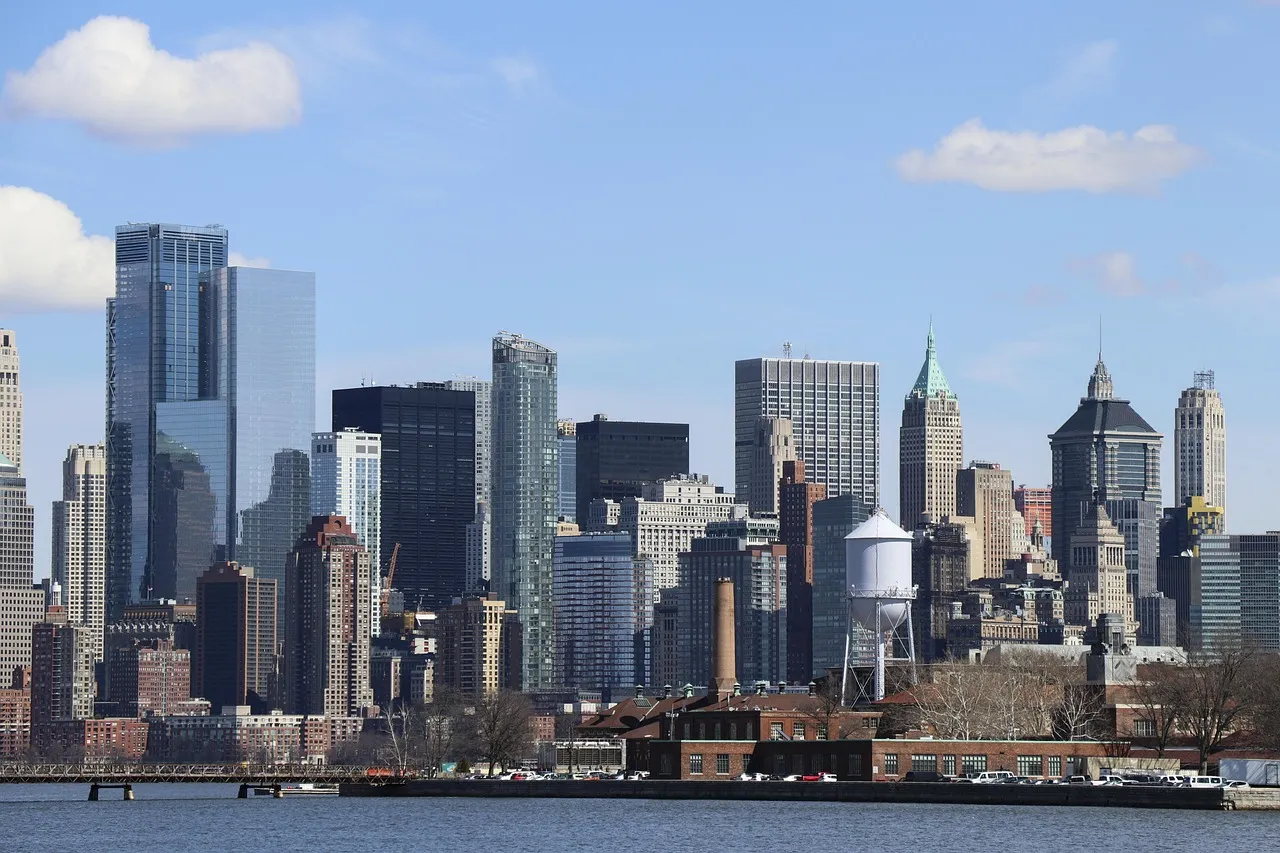
Wall Street split on Wednesday. The Dow pulled one way and the technology-heavy indexes pulled the other. The Dow Jones Industrial Average added 0.4% to close at 54,349.12, holding near record ground, while the S&P 500 eased 0.2% to 7,723.55 and the Nasdaq Composite gave back 0.9% to 26,363.44. Small caps slipped as well, with the Russell 2000 falling 0.6%. A four-session climb that had carried the major indexes to fresh highs lost momentum as megacap technology cooled off.
Under the surface, money rotated toward defense. Health care led the eleven S&P sectors with a 1.3% gain, and materials followed close behind at 1.2%. Financials added 0.2%. Energy fell hardest, down 2.1%. Communication services and utilities each fell 1.0%, and technology slipped 0.5%, a modest step back after the group’s double-digit advance over the past week. The mix favored steadier corners of the market over the fast-moving growth names that had done the heavy lifting during the rally.
Two labor readings set the tone. Private employers added 44,000 jobs in July, ADP reported before the open, the smallest monthly gain in six months and short of forecasts near 70,000; the June figure was revised down to 95,000. The Institute for Supply Management’s services index told a similar story, printing 54.1% for July against expectations of 54.5%. That gauge has now expanded for 25 straight months, yet its employment component dropped back into contraction at 47.4%. The softer hiring signals pulled Treasury yields down, with the 10-year note settling at 4.70%, and pushed the July payrolls report due Friday to the center of the week.
Energy’s decline tracked the oil market. Crude has fallen more than 5% over the prior two sessions as the United States, Iran and Oman moved toward an interim agreement to reopen the Strait of Hormuz, draining the risk premium that had lifted prices earlier in the summer. With that geopolitical support fading, energy producers gave back ground even as the broader tape held up.
Breadth pointed the same way. The Russell 2000’s 0.6% dip left small caps trailing the blue-chip Dow, a sign investors leaned toward larger, more durable names and away from the economically sensitive stocks that tend to swing with growth expectations. Volatility stayed calm. The Cboe Volatility Index fell 4.2% to 15.81, near the low end of its recent range and consistent with an orderly pullback rather than a rush for protection. Even after Wednesday’s dip, the S&P 500 and Nasdaq sit close to the highs they set earlier in the week. The pullback barely dented a strong stretch. The S&P 500 is up more than 5% from a week ago, and the Nasdaq has gained more than 8% over the same span.
The calendar takes over from here. Weekly jobless claims land Thursday, followed by Friday’s July employment report, where forecasts call for payroll growth near 80,000 and an unemployment rate holding at 4.2%. Several Federal Reserve officials are scheduled to speak in between. After a stretch that pushed the Dow to new highs, those figures will show whether a cooling jobs market strengthens the argument for lower interest rates or simply muddies the outlook.
This is a general-market summary for information only — not investment advice, and not a recommendation regarding any security.
Filed under: daily recap · indices · sectors